
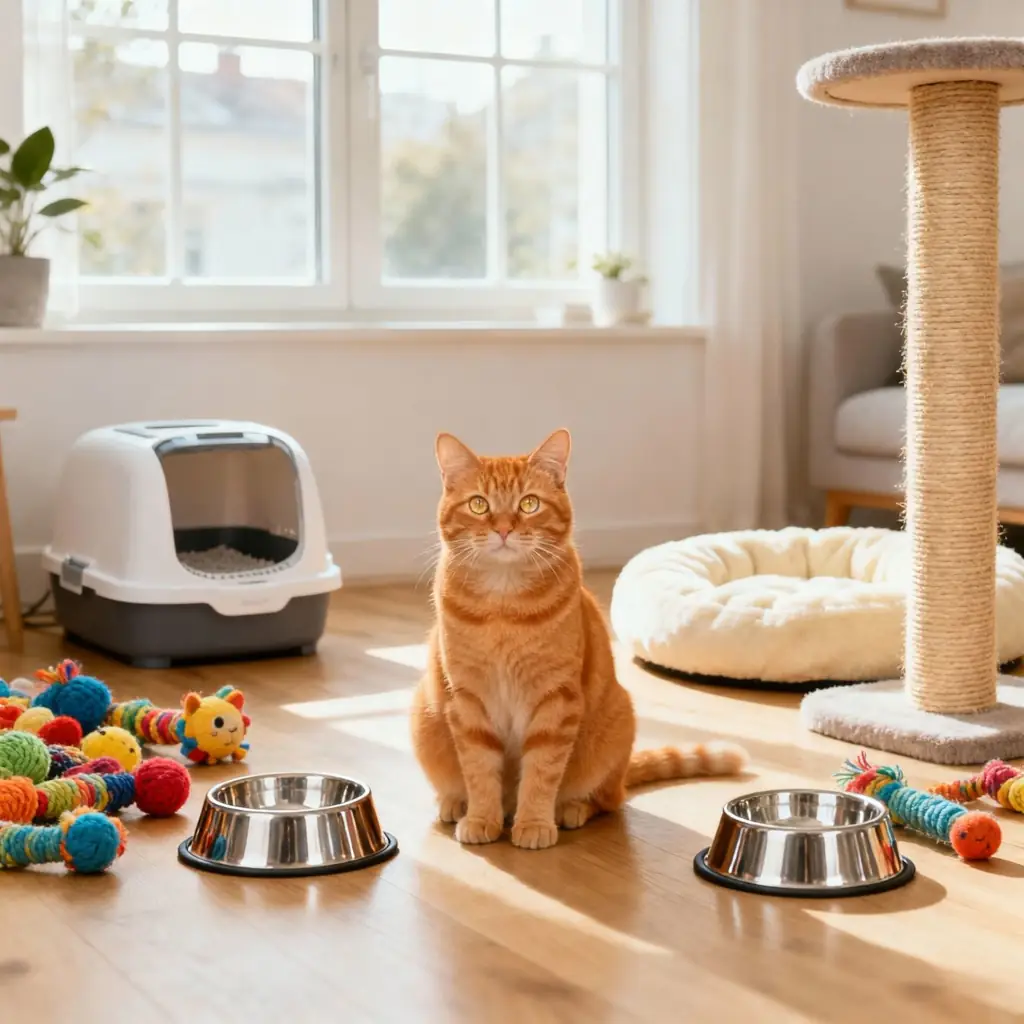
A Complete Veterinary Guide to Cat Hygiene Schedules
As a veterinarian with over 12 years of feline medicine experience, one of the questions I hear most often from cat owners is surprisingly simple: ‘Am I cleaning my cat’s things often enough?’ The honest answer? Most people aren’t. Not because they don’t care — cat owners are some of the most devoted pet parents out there — but because no one ever taught them the rules.
Dirty food bowls, neglected litter boxes, and unwashed bedding are among the leading — yet most preventable — causes of feline illness in domestic cats. Bacteria, mold, and parasites can thrive in environments that look perfectly clean to the human eye. In this guide, I’ll walk you through every item in your cat’s world and give you a clear, science-backed cleaning schedule.
🐾 The Litter Box: Your #1 Priority
If there is one thing you take away from this article, let it be this: the litter box is the single most important item to keep clean in your cat’s environment. Cats are fastidiously clean animals by nature. A dirty litter box is not just unpleasant — it is a direct health hazard.
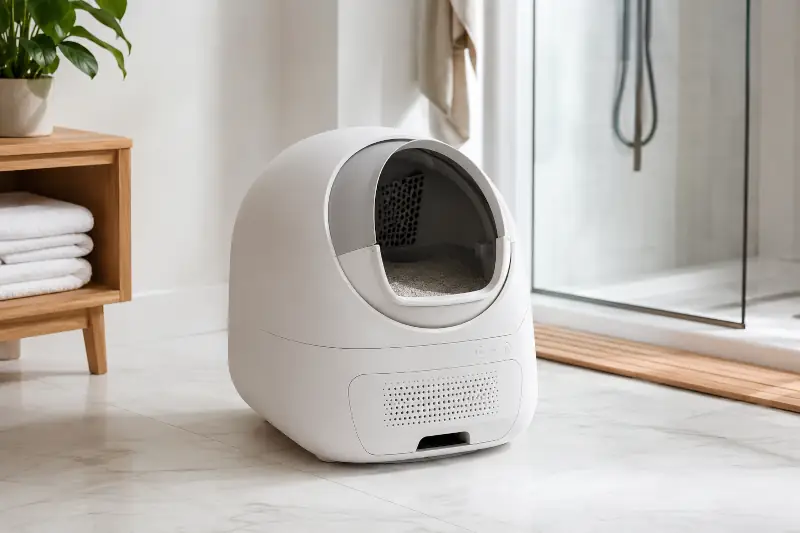
Scooping: Daily (Non-Negotiable)
Scoop waste from the litter box at least once a day, ideally twice. This is the minimum standard of care. Cats who are forced to use a dirty box will often begin eliminating outside of it — not out of spite, but out of instinct. Inappropriate elimination is one of the top reasons cats are surrendered to shelters, and it is almost always preventable.
🩺 Veterinary note: Daily scooping also gives you a critical window into your cat’s health. Changes in urine frequency, color, odor, or stool consistency are early indicators of conditions like urinary tract infections, kidney disease, diabetes, and intestinal parasites.
Full Litter Change: Every 1–2 Weeks
Even with daily scooping, odor-causing bacteria and ammonia accumulate in the litter. Every 1 to 2 weeks (depending on the number of cats and litter type), empty the box completely, wash it with warm water and mild, unscented dish soap, allow it to dry fully, and refill with fresh litter.
Box Replacement: Every 6–12 Months
Plastic litter boxes develop microscopic scratches over time where bacteria hide and multiply — no amount of cleaning will remove them. Replace the entire box at least once a year, or sooner if you notice persistent odors despite regular cleaning.
⚠️ Important: Never use bleach, ammonia-based cleaners, or heavily scented products in or around the litter box. These can deter cats from using it and may cause respiratory irritation.
🥣 Food & Water Bowls: More Often Than You Think
This is where many well-meaning cat owners fall short. A survey by the American Veterinary Medical Association found that a significant percentage of cat owners wash food bowls less than twice a week. From a microbiology standpoint, this is cause for concern.
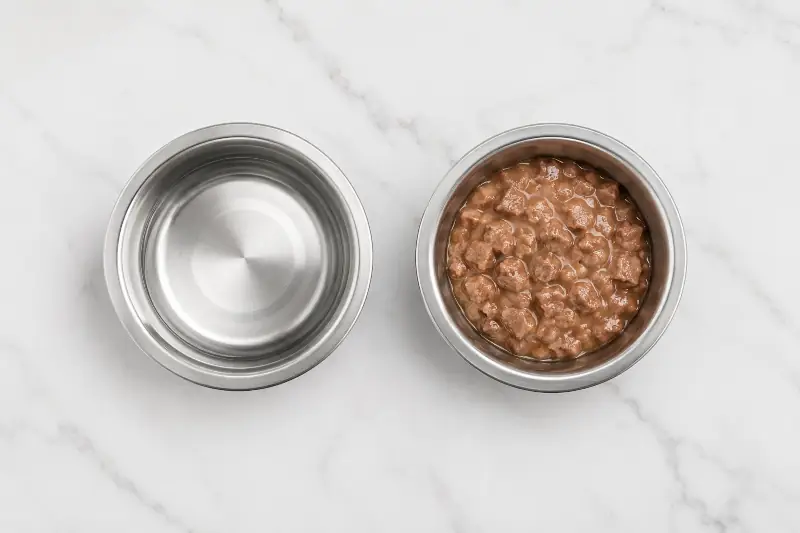
Food Bowls: After Every Meal
Wet food bowls should be washed with hot water and dish soap after every single meal. Wet food left in a bowl for even a few hours at room temperature becomes a breeding ground for Salmonella, Listeria, and other pathogens. Dry food bowls should be washed daily.
Water Bowls: Daily Rinse, Deep Clean Every 2–3 Days
Standing water develops a slimy biofilm called Pseudomonas — you may have noticed it as a slightly slippery feeling on the bowl surface. This biofilm harbors harmful bacteria. Rinse water bowls and refill with fresh water daily. Thoroughly scrub with soap every 2 to 3 days.
💡 Pro tip: Consider switching to a cat water fountain. Running water stays fresher longer, discourages biofilm buildup, and — most importantly — encourages cats to drink more, which is critical for kidney health and urinary tract function.
Material Matters
Stainless steel and ceramic bowls are far more hygienic than plastic. Plastic bowls scratch easily and harbor bacteria in those crevices. They can also cause feline chin acne — a common but easily preventable condition. If your cat has a plastic bowl, now is a great time to upgrade.
🛏️ Bedding & Blankets: Weekly Washing Is Key
Cat bedding accumulates fur, dander, dust mites, dead skin cells, and potentially fleas and their eggs. For cats with allergies or skin conditions, unwashed bedding can significantly worsen symptoms.
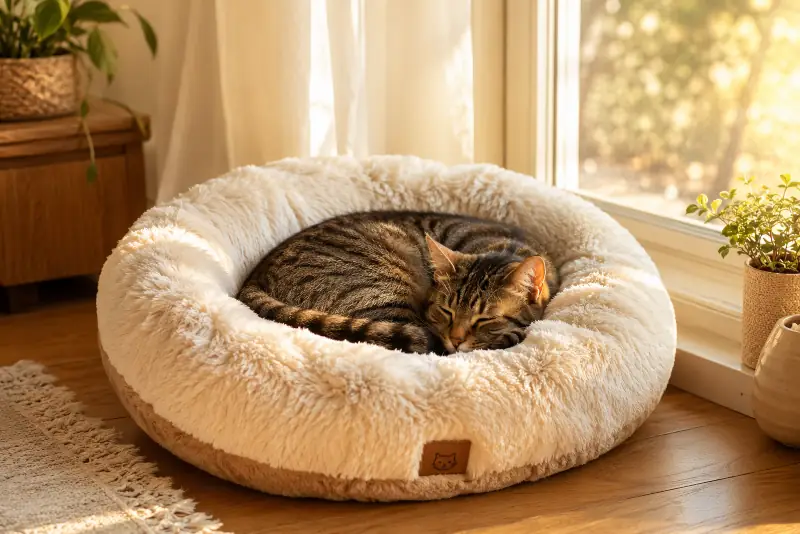
Cat Beds & Blankets: Once a Week
Wash your cat’s bedding in hot water (at least 60°C / 140°F) at least once a week. Hot water is essential — it kills dust mites and flea eggs that cooler temperatures leave alive. Use a fragrance-free, dye-free laundry detergent. Strong scents can be overwhelming and off-putting to cats.
During Flea Season or Infestation: Every 2–3 Days
If you suspect fleas or your cat goes outdoors, increase washing frequency to every 2 to 3 days during treatment. Flea eggs can hatch in bedding and reinfest your cat before treatment is complete.
🩺 Veterinary note: Dust mite allergies are significantly underdiagnosed in cats. If your cat shows chronic sneezing, watery eyes, or skin irritation, unwashed bedding is one of the first things your veterinarian will ask about.
🧶 Toys: The Forgotten Hygiene Item
Toys are almost universally overlooked when it comes to cat hygiene — but they shouldn’t be. Cats mouth their toys, bite them, and sometimes leave prey items (live or toy) in their beds and bowls. Saliva, dirt, and outdoor contaminants accumulate quickly.
Hard Toys (Plastic, Rubber): Every 2 Weeks
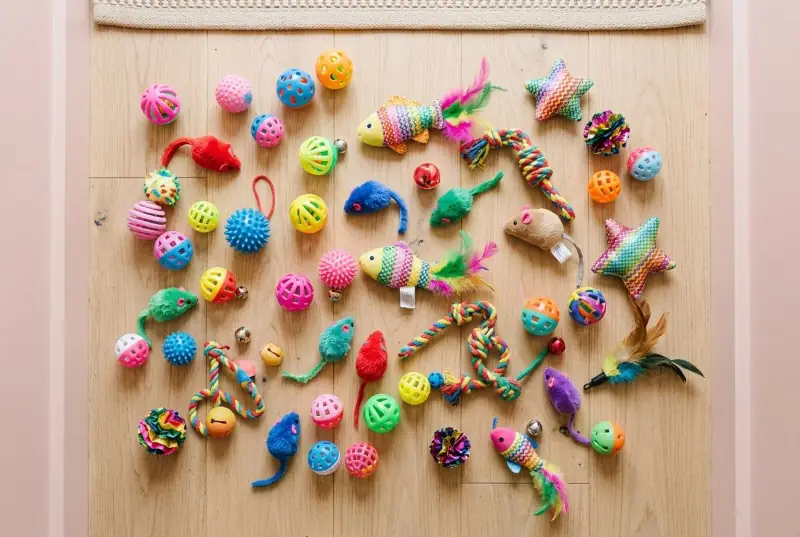
Wash hard toys with warm, soapy water. Rinse thoroughly and allow to dry completely before returning them to your cat. Check for cracks or damage — broken toys can harbor bacteria and pose choking hazards.
Soft Toys (Plush, Fabric): Once a Month, Minimum
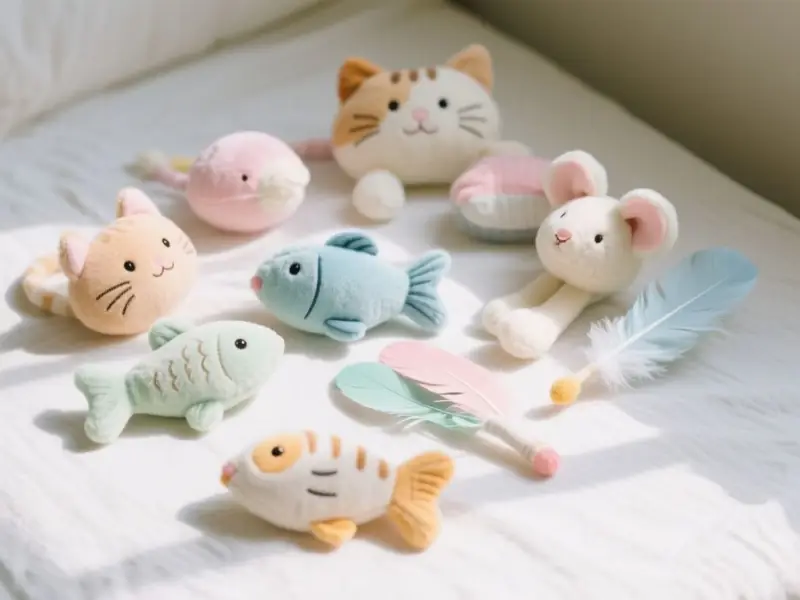
Machine-wash soft toys monthly, or more frequently if your cat plays roughly or takes toys outside. Again, use fragrance-free detergent and hot water. Inspect for stuffing that might be coming out — ingested stuffing is a veterinary emergency.
Feather Wands & Interactive Toys: Inspect Weekly
Feather attachments fray and can be swallowed, causing intestinal blockages. Inspect weekly and replace feathers or attachments when they show wear. Wipe down the wand itself with a damp cloth.
🌳 Scratching Posts & Cat Trees: Monthly Deep Clean
Cat trees and scratching posts are magnets for fur, dander, and bacteria — yet they rarely get cleaned. A cat tree used by multiple cats, or by a cat that goes outdoors, needs particular attention.
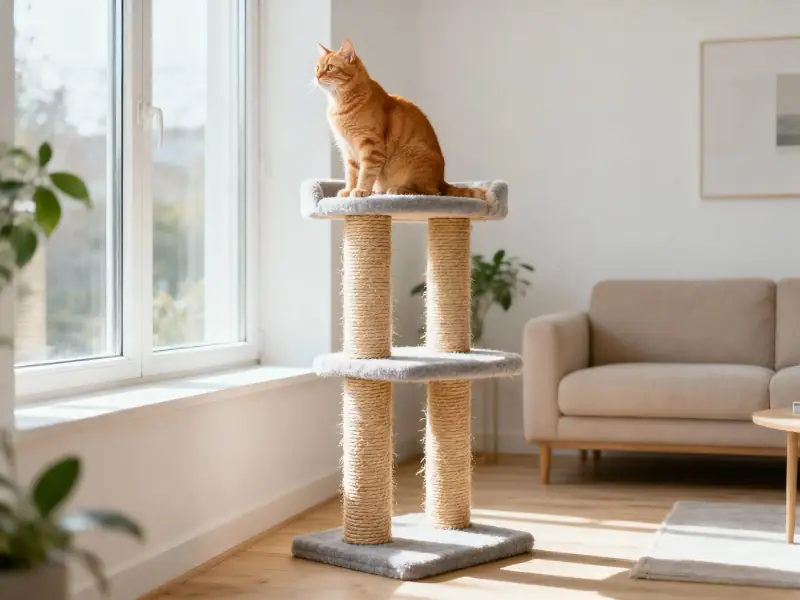
Weekly Lint Rolling
Run a lint roller or vacuum attachment over all surfaces weekly to remove loose fur and dander. This is especially important for households with cat allergy sufferers.
Monthly Deep Clean
Once a month, spot-clean the surfaces with a pet-safe upholstery cleaner or a diluted white vinegar solution (one part vinegar, two parts water). Allow to dry completely — cats dislike damp surfaces and may avoid a wet tree.
When to Replace
Replace scratching posts when the sisal becomes shredded to the point where threads could be ingested. Replace cat tree platforms if the carpet or fabric becomes saturated with urine or heavily soiled — deep cleaning can only do so much.
📋 Quick Reference Cleaning Schedule
Here is a summary table you can print and stick on your refrigerator:
| Item | Frequency | Why It Matters |
| Litter box (scoop) | Daily | Prevent behavioral issues & catch health changes |
| Litter box (full clean) | Every 1–2 weeks | Eliminate ammonia & bacterial buildup |
| Litter box (replace) | Every 6–12 months | Plastic scratches harbor permanent bacteria |
| Wet food bowl | After every meal | Prevents Salmonella, Listeria contamination |
| Dry food bowl | Daily | Biofilm and fat residue accumulate quickly |
| Water bowl | Every 2–3 days | Eliminates dangerous Pseudomonas biofilm |
| Bedding & blankets | Weekly | Kills dust mites, flea eggs, removes dander |
| Hard toys | Every 2 weeks | Removes saliva-borne bacteria |
| Soft toys | Monthly | Prevents mold, bacteria, and parasite eggs |
| Cat tree / scratcher | Monthly deep clean | Reduces dander, fur, and odor buildup |
🌿 Final Recommendations from a Veterinarian
Cleaning your cat’s belongings is not just about odor control — it is an integral part of preventive veterinary care. The time you invest in regular hygiene dramatically reduces your cat’s exposure to pathogens, parasites, and allergens, and can meaningfully extend their healthy lifespan.
Here are my top five takeaways:
- Never miss a day of litter scooping — it is your single most impactful daily habit as a cat owner.
- Invest in stainless steel or ceramic bowls and wash them as you would your own dishes.
- Hot water is your best friend — always wash bedding and soft toys at 60°C or higher.
- Inspect toys regularly for wear and replace them before they become hazards.
- When in doubt, clean more often — no cat has ever gotten sick from a clean environment.
If you notice sudden changes in your cat’s litter box habits, appetite, or coat condition despite maintaining a clean environment, consult your veterinarian promptly. These are often the earliest signs of underlying health conditions that are far more treatable when caught early.
This article is intended for informational purposes only and does not replace professional veterinary advice. Always consult a licensed veterinarian for your cat’s specific health needs.
Leave a Reply
You must be logged in to post a comment.