
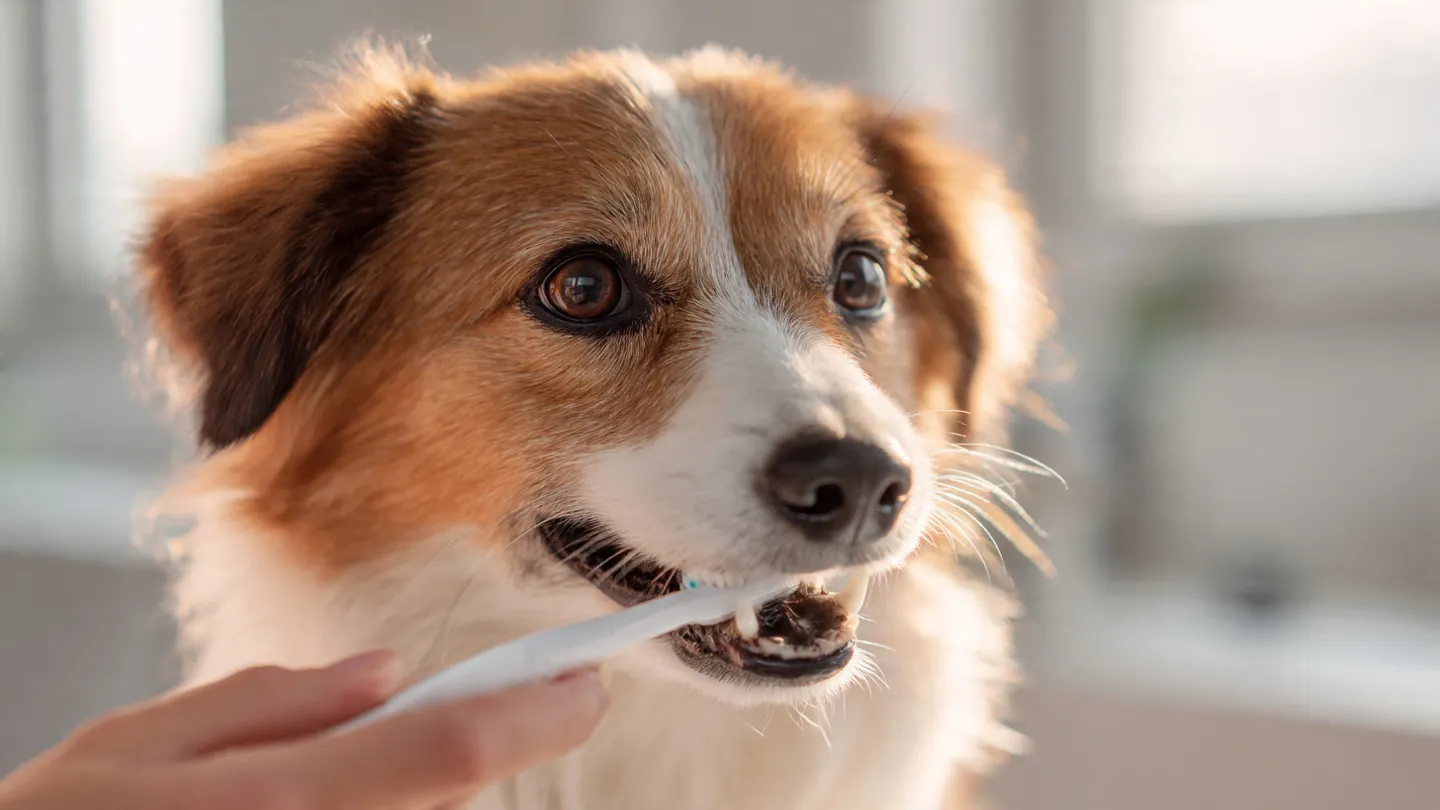
Why Pet Dental Care Is Important for Dogs and Cats
Pet dental care is one of the most important — and most overlooked — aspects of your dog or cat’s health. Many pet owners focus on food, grooming, and exercise, but neglect oral hygiene, which can lead to serious health problems.
By age 3, most dogs and cats already show signs of dental disease. Without proper care, plaque turns into tartar, leading to:
- Gum disease (gingivitis & periodontal disease)
- Pain and tooth loss
- Infections affecting the heart, kidneys, and liver
Dental hygiene isn’t just about fresh breath – it’s about your pet’s overall health and lifespan.
According to the American Humane Society, most pets show signs of dental disease by age 3. Proper dental care helps prevent serious conditions and improves overall health.
Common Signs of Poor Pet Dental Care You Shouldn’t Ignore
- Bad breath that doesn’t go away
- Yellow or brown tartar buildup
- Red, swollen, or bleeding gums
- Difficulty eating or chewing
- Drooling or pawing at the mouth
- Behavior changes (irritability, low energy)
These symptoms often appear after the disease has already progressed, which is why prevention is key.
What Causes Dental Disease in Pets (Plaque and Tartar Explained)
Dental issues start with plaque, a sticky layer of bacteria.
- Plaque forms within 24–48 hours after eating
- If not removed, it hardens into tartar
- Tartar leads to inflammation and infection
Over time, this can result in periodontal disease, affecting the majority of pets by age 3.
Best Pet Dental Care Routine for Healthy Teeth and Gums
1. Regular Tooth Brushing (Most Effective Method)
Brushing is the gold standard for preventing dental disease.
- Daily brushing (ideal)
- Or at least 2–3 times per week
Using pet-specific tools is essential—human toothpaste can be harmful to animals.
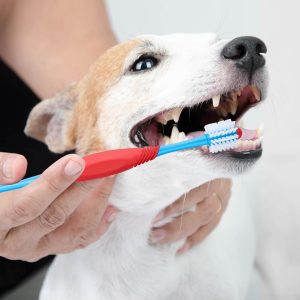
🛒 Recommended: 360° Dog Toothbrush
If your dog resists brushing, a more efficient tool can make all the difference.
👉
Dog Toothbrush 360° – Pet Dental Care Tool
- Cleans all sides of the tooth at once
- Reduces brushing time
- Ideal for beginners and resistant pets
2. Finger Toothbrush (Perfect for Beginners)
For pets that are nervous or new to dental care, a finger toothbrush is a great starting point.

- Gentle and easy to control
- Perfect for cats and small dogs
- Helps pets get used to oral care
Tip: Start with a soft tool before transitioning to a full toothbrush.
3. Build a Simple Routine
Consistency matters more than perfection.
- Let your pet taste toothpaste first
- Gently touch teeth and gums
- Gradually increase brushing time
Even a short daily routine can dramatically reduce plaque buildup.
4. Combine with Other Dental Solutions
You can also support dental health with:
- Dental chews
- Special diets
- Oral rinses
Note: These are supplements—not replacements—for brushing.
Pet Dental Care for Dogs vs Cats: Key Differences
Dogs
- More prone to tartar buildup
- Easier to train for brushing
- Small breeds are at higher risk
Cats
- Hide pain very well
- Can develop tooth resorption
- Need gentle introduction to brushing
Pro Tips for Better Pet Dental Care Most Owners Don’t Know
- Start dental care early (puppy/kitten stage)
- Focus on the gum line
- Use flavored toothpaste
- 30–60 seconds is enough
Why Skipping Pet Dental Care Can Cost You Thousands
Ignoring dental hygiene can lead to:
- Tooth extractions
- Expensive veterinary procedures
- Chronic pain for your pet
Preventive care at home is far easier and more affordable.
Final Thoughts: A Small Habit That Makes a Big Difference
Your pet depends on you for their health – and dental care is one of the simplest ways to improve their quality of life.
Just a few minutes a week can:
- Prevent serious diseases
- Extend your pet’s lifespan
- Keep them happy and pain-free
Leave a Reply
You must be logged in to post a comment.